
Factors to Consider When Exploring New Homes in Singapore
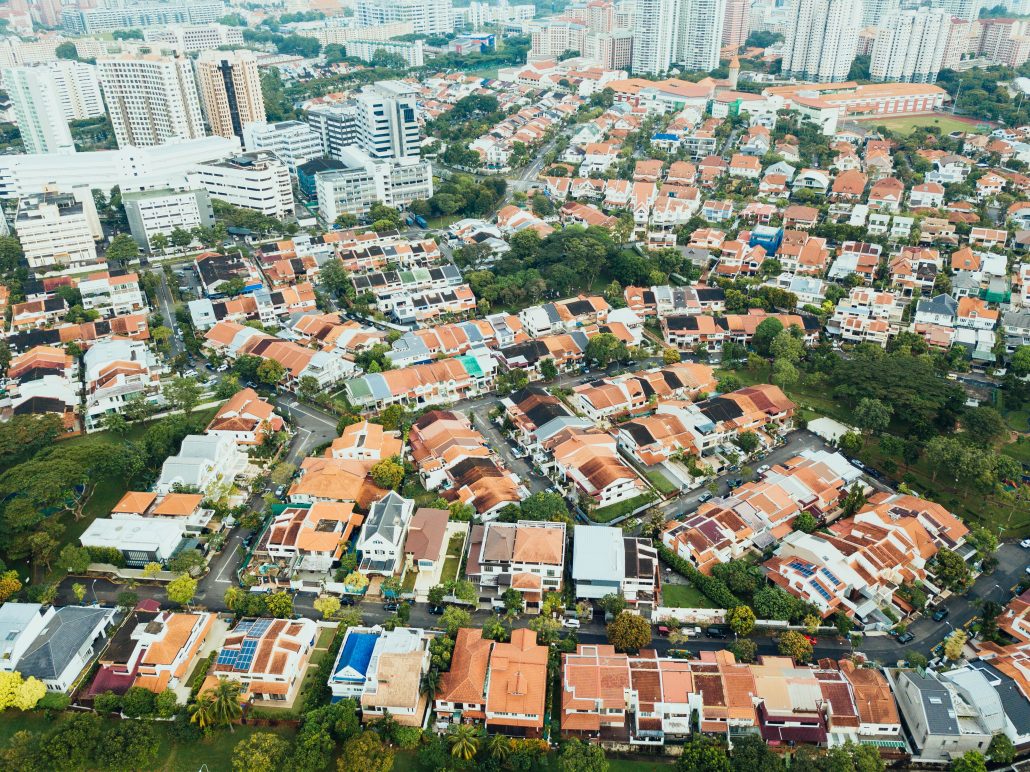
Singapore’s residential property market includes a wide variety of developments, neighbourhoods, and housing choices, giving prospective homeowners many factors to consider before selecting a home. While the design and features of a property naturally attract attention, the surrounding environment can have an equally important role in everyday living. Transportation, shopping, education, recreation, healthcare, dining, and community facilities all contribute to the experience of living in a particular location. For buyers researching Dorset Gardens and Clovelle of Woodlands, understanding these broader factors can provide useful context when exploring residential opportunities.
A home is rarely used in isolation. Residents leave for work, school, shopping, exercise, appointments, and social activities. They may spend their mornings commuting, their evenings running errands, and their weekends exploring nearby destinations. Because of this, the location of a property can influence daily routines in many different ways.
Understanding the Importance of Location
Location is often described as one of the most important aspects of property research, but its meaning depends on the individual buyer.
A working professional may prioritise convenient access to business districts. A family with young children may focus on schools and childcare facilities. Another household may place greater emphasis on shopping centres, restaurants, parks, or healthcare services.
This means there is no single definition of a convenient residential location.
Dorset Gardens is situated in the Farrer Park area, which provides a city-fringe environment with access to established urban amenities. The neighbourhood is connected to central Singapore through public transportation and is surrounded by a mixture of residential, commercial, cultural, and healthcare destinations.
Clovelle of Woodlands, on the other hand, is planned in Woodlands, an established northern town with its own network of transport links, shopping centres, schools, healthcare facilities, and recreational areas.
These two locations demonstrate how different neighbourhood environments can support different lifestyles.
Exploring the Farrer Park Neighbourhood
Farrer Park has a distinctive identity within Singapore. The area combines established residential communities with commercial destinations, healthcare institutions, restaurants, cultural attractions, and shopping facilities.
For prospective residents of Dorset Gardens, the neighbourhood can provide a combination of urban convenience and accessibility.
Farrer Park MRT Station serves the area through the North-East Line. This gives residents an established public transport connection for travelling toward various parts of Singapore.
The nearby shopping environment is also significant. City Square Mall provides retail, dining, and lifestyle facilities, while Mustafa Centre offers a broad selection of products and services.
The wider Little India area adds cultural and culinary variety. Residents can find traditional shops, restaurants, food outlets, and other businesses throughout the surrounding streets.
For people who enjoy an active neighbourhood with a diverse range of destinations, the Farrer Park environment can be an interesting location to investigate.
Getting Familiar With Woodlands
Woodlands offers a different residential atmosphere. As an established northern town, it has developed extensive infrastructure to support local residents.
Clovelle of Woodlands is planned along Woodlands Drive 17, placing it within a neighbourhood where residential areas are supported by established commercial and community facilities.
Transport is one of the important features of the wider Woodlands area. Woodlands South MRT provides access to the Thomson-East Coast Line, while Woodlands MRT is connected to the North-South Line and serves as an important interchange.
For residents who regularly travel across Singapore, these connections provide public transport options that can be evaluated according to their personal commuting requirements.
Woodlands also has several shopping destinations. Causeway Point is a major retail centre, while Vista Point and 888 Plaza provide additional services and everyday shopping opportunities.
The presence of these facilities means residents can complete many routine activities within the town itself.
Comparing Different Types of Convenience
Convenience can look very different depending on where someone lives.
A city-fringe resident may appreciate quick access to central Singapore, diverse dining options, established cultural areas, and dense commercial infrastructure.
A suburban resident may value having schools, supermarkets, parks, healthcare facilities, and shopping centres distributed throughout a mature town.
When researching Dorset Gardens and Clovelle of Woodlands, prospective buyers can consider which type of convenience better matches their lifestyle.
This does not require assuming that one environment is universally preferable. Instead, buyers can identify the places they visit most frequently and see how each location connects with those destinations.
For example, someone who works in central Singapore may focus heavily on weekday commuting. A household with children may instead map school routes and childcare facilities. A retiree may place greater importance on healthcare and recreational opportunities.
Evaluating Public Transportation
Singapore’s public transportation network is a major part of everyday mobility. MRT stations and bus services allow residents to travel without relying exclusively on private vehicles.
However, proximity to a station should not be considered in isolation.
A buyer should examine the complete journey from the home to the final destination. Walking distance, transfers, waiting times, and peak-hour conditions can all affect the actual commuting experience.
Someone considering Dorset Gardens can examine how Farrer Park MRT connects with their regular destinations.
Similarly, someone researching Clovelle of Woodlands can investigate routes using Woodlands South MRT and Woodlands MRT.
This method provides a more practical understanding of connectivity because it is based on real travel requirements rather than general descriptions.
Shopping and Dining Considerations
Shopping facilities are important because they support many routine household activities.
Grocery purchases, household products, clothing, school supplies, personal services, and meals are all part of everyday life.
Around Dorset Gardens, residents can explore shopping and dining destinations around Farrer Park, Little India, and nearby central districts.
The Woodlands area around Clovelle of Woodlands also provides a wide range of retail and dining options through shopping centres and neighbourhood establishments.
For households that prefer preparing meals at home, supermarkets and grocery options may be particularly relevant. For people who enjoy dining outside, the variety of restaurants and food outlets may be more important.
These small aspects of daily life can become significant when considered over many years.
Family and Education Needs
Families often have additional requirements when searching for residential property.
Parents may need to consider schools, childcare, tuition centres, playgrounds, healthcare facilities, and transportation. The location of these services can affect the organisation of a family’s daily schedule.
Both Dorset Gardens and Clovelle of Woodlands are located within established areas with access to educational infrastructure.
However, parents should always verify current school admission requirements and registration policies. Being close to a school does not necessarily mean a child will automatically receive a place.
It is also useful to consider the route between home and school. A short distance on a map may still involve busy roads, transfers, or other practical considerations.
Recreation and Community Life
A residential environment should provide more than essential services. Recreation and community activities can also contribute to everyday quality of life.
Woodlands includes destinations such as Woodlands Waterfront, giving residents access to an outdoor environment within the wider town.
The central region surrounding Dorset Gardens also offers access to parks, recreational facilities, cultural attractions, and various urban leisure destinations.
Different households will naturally use these facilities differently. Children may enjoy playgrounds and open spaces, while adults may prefer walking routes, fitness facilities, restaurants, or cultural venues.
Considering these preferences can help buyers understand whether a neighbourhood aligns with their lifestyle.
Examining the Home Itself
After studying the neighbourhood, buyers should return their attention to the property.
The size and configuration of a home can determine how comfortably a household can use the available space.
A couple may prefer a smaller layout, while a family may need several bedrooms and flexible areas. People working from home may also require a dedicated workspace.
When evaluating Dorset Gardens, buyers can compare the available unit configurations and examine the actual floor plans.
Clovelle of Woodlands is planned with three-, four-, and five-bedroom configurations, providing different possibilities for households with varying space requirements.
However, the number of bedrooms should not be the only consideration. Room sizes, storage, kitchen arrangements, living areas, natural light, and overall layout should also be examined.
Thinking About Future Requirements
A property purchase can remain relevant to a household for many years, so future needs deserve consideration.
Children grow, employment arrangements change, and family structures can evolve. A room that serves as a guest bedroom today may eventually become a study or child’s room.
Buyers considering Dorset Gardens can think about whether their chosen unit offers enough flexibility for potential changes.
Similarly, people exploring Clovelle of Woodlands can consider whether a larger configuration would provide useful additional space.
Future planning does not require predicting exactly what will happen. It simply involves considering whether the property can remain practical as circumstances change.
Visiting the Location Personally
Online research is useful, but personal visits can provide additional information.
A buyer can visit a neighbourhood during different periods of the day to observe traffic, noise, pedestrian activity, public transport, and nearby businesses.
A visit to the area around Dorset Gardens can help prospective residents experience the Farrer Park environment for themselves.
Likewise, visiting the surroundings of Clovelle of Woodlands can provide a better understanding of Woodlands Drive 17 and its relationship with nearby facilities.
These visits can help turn information from maps and property materials into a more realistic understanding of the neighbourhood.
Conclusion
Choosing a home in Singapore involves examining both the property and the environment that surrounds it. Transportation, shopping, dining, education, healthcare, recreation, and community infrastructure can all influence everyday living.
Dorset Gardens is associated with the city-fringe environment of Farrer Park, where residents can access established transport links, shopping destinations, cultural areas, dining choices, and healthcare facilities.
Clovelle of Woodlands is planned within the established Woodlands town, providing access to a different combination of transport connections, retail destinations, educational facilities, healthcare services, and recreational spaces.
The most useful approach is to consider these characteristics in relation to personal circumstances. Buyers can identify their regular destinations, understand their household requirements, examine available layouts, and visit the surrounding neighbourhood before making important property decisions.
By taking a complete view of residential living, prospective homeowners can better understand how a property fits into their everyday routines. A home is not only the space within the walls; it is also the location, community, transportation network, amenities, and lifestyle opportunities that surround it.