
Why Singapore Property Buyers Are Increasingly Valuing “Future Convenience” Over Current Convenience in 2026
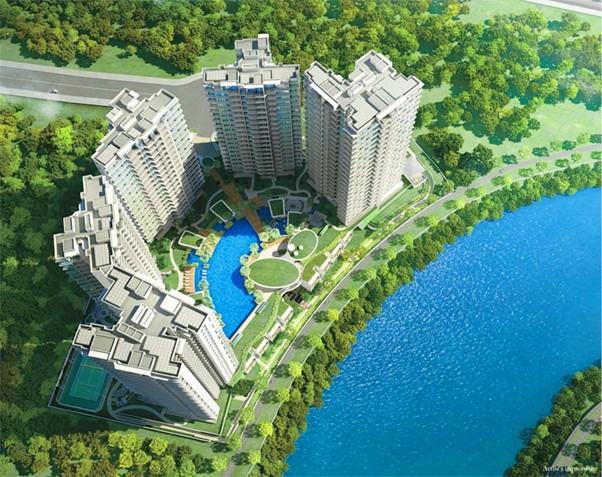
In Singapore’s property market, convenience used to mean one thing: how close a home is to MRT stations, schools, and workplaces today. But in 2026, a noticeable shift is happening. Buyers are increasingly making decisions based on “future convenience”—how convenient an area is expected to become over the next 5 to 15 years.
This forward-looking mindset is changing how properties are evaluated, priced, and even marketed.
Convenience Is Becoming a Long-Term Forecast, Not a Snapshot
Traditionally, buyers assessed convenience based on existing infrastructure. If a condo was near an MRT or shopping mall, it was considered convenient.
Now, that approach is evolving. Buyers are asking:
- Will new MRT lines improve access here?
- Are there upcoming commercial hubs nearby?
- Is this area part of a long-term urban redevelopment plan?
This means convenience is no longer static. It is treated as something that evolves over time, which adds a predictive layer to property decisions.
Infrastructure Development Is Driving Buyer Attention
Major infrastructure projects are now central to property research.
Buyers are closely tracking:
- MRT line expansions
- New interchange stations
- Expressway upgrades
- Integrated transport hubs
Even if a location is not currently central, future connectivity improvements can significantly enhance its desirability.
This is why some areas that were once considered fringe are now gaining renewed attention from long-term investors and homeowners.
The “Wait and Benefit” Mindset Is Growing
More buyers are willing to purchase in areas that are not fully developed yet, provided they believe future convenience will improve.
This represents a shift from immediate gratification to delayed benefit thinking.
Instead of asking “How convenient is this now?”, buyers are asking:
- “How convenient will this be in 10 years?”
- “What developments are planned nearby?”
- “How will this neighbourhood evolve?”
This mindset is particularly common among younger buyers and long-term investors.
Urban Planning Transparency Is Influencing Decisions
Singapore’s long-term urban planning approach has made future convenience more predictable than in many other cities.
Master plans, zoning updates, and redevelopment frameworks give buyers clearer visibility into:
- Future residential density
- Commercial expansion zones
- Green corridor development
- Transport integration plans
Because of this transparency, buyers feel more confident factoring future convenience into their decisions.
Lifestyle Convenience Is Expanding Beyond Transport
Future convenience is not limited to transport infrastructure.
Buyers are also evaluating:
- Upcoming lifestyle hubs
- New retail clusters
- Planned recreational spaces
- Future school developments
This broader definition of convenience reflects how modern lifestyles are evolving. People want homes that will become more complete ecosystems over time, not just locations that are currently functional.
Early-Stage Developments Offer “Convenience Upside”
Properties located in developing districts often carry what buyers now call “convenience upside.”
This refers to the potential improvement in livability as the surrounding area matures.
Examples include:
- New MRT lines increasing accessibility
- Future commercial nodes bringing employment closer
- Upcoming amenities improving daily convenience
This potential upside is becoming a key factor in investment-oriented decision-making.
Developments such as Thomson Reserve benefit from this thinking, as buyers consider both current connectivity and future enhancements in the surrounding environment.
Mature Estates Still Compete on Established Convenience
While future convenience is rising in importance, mature estates are not losing relevance.
Instead, they compete on:
- Immediate access to amenities
- Established transport networks
- Fully developed infrastructure
- Stable neighbourhood ecosystems
For many buyers, the trade-off becomes:
- Mature areas = certainty today
- Emerging areas = growth in future convenience
This creates a more balanced market dynamic between established and developing locations.
Developers Are Now Marketing “Future Liveability”
Property marketing strategies are also evolving.
Instead of focusing solely on current surroundings, developers now highlight:
- Planned infrastructure nearby
- Future connectivity improvements
- Long-term neighbourhood transformation
- Urban redevelopment potential
This helps buyers visualize how the property will fit into the future version of the city.
Boutique developments like Amberwood at Holland often emphasize both present-day exclusivity and long-term neighbourhood evolution, appealing to buyers who think beyond immediate convenience.
Risk Considerations Still Matter
While future convenience is attractive, it is not guaranteed.
Buyers still need to consider:
- Project execution timelines
- Government policy changes
- Development delays
- Market demand shifts
Not all projected infrastructure improvements materialize on schedule, so over-reliance on future expectations can introduce risk.
Balanced buyers evaluate both current livability and realistic future improvements.
The Psychology Behind Future Convenience Thinking
This shift is also psychological.
Buyers are increasingly comfortable with delayed satisfaction because:
- Property is seen as a long-term asset
- Planning horizons have extended
- Financial literacy has improved
- Information is more accessible
As a result, buyers are more willing to invest in potential rather than just present conditions.
How This Trend Impacts Property Value Growth
Properties positioned in areas with strong future convenience potential often experience:
- Gradual price appreciation ahead of infrastructure completion
- Increased buyer interest during development phases
- Stronger resale demand once improvements are realized
However, timing is crucial. Value growth often occurs in anticipation of convenience improvements, not just after they are completed.
Final Thoughts
Singapore’s property market in 2026 is increasingly shaped by forward-looking thinking. Buyers are no longer satisfied with just current convenience—they want homes that will become more convenient over time.
This shift toward “future convenience” is changing how locations are evaluated, how developments are marketed, and how investment decisions are made.
Whether considering established developments or forward-looking projects like Thomson Reserve and Amberwood at Holland, the key question is no longer only “How convenient is this today?” but also “How much more convenient will this become tomorrow?”
In modern real estate decisions, time is becoming just as important as location.